On-Page SEO vs Off-Page SEO
Have you ever wondered why some websites rank at the top of Google while others struggle to get noticed? The secret is a strong SEO strategy! Understanding ON PAGE SEO vs OFF PAGE SEO is important for improving website rankings and building a strong online presence.
Search Engine Optimization (SEO) is an important part of digital marketing that helps businesses attract organic traffic, reach potential customers, and improve their visibility on Google.
SEO has two main strategies:
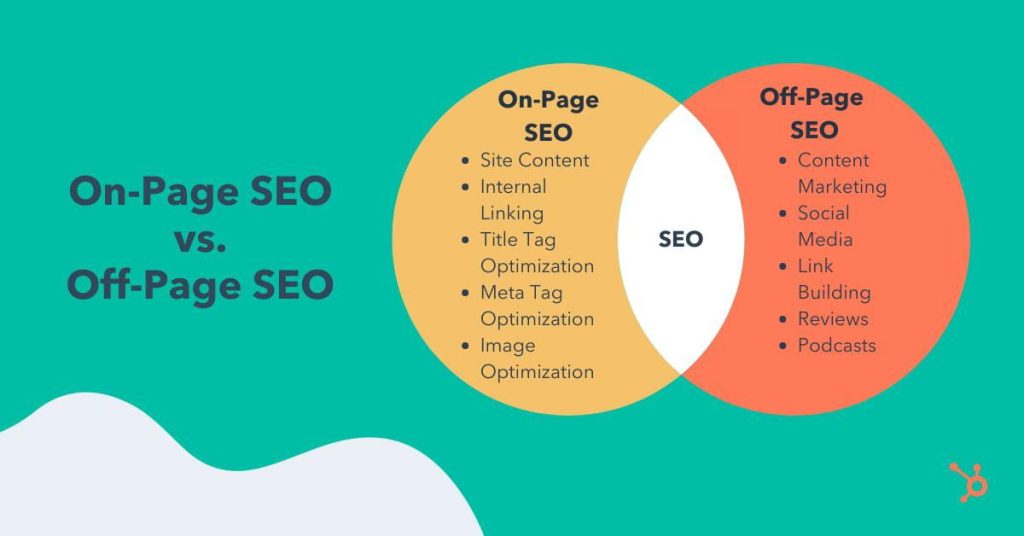
On-Page SEO
Improves your website through quality content, keyword placement, headings, meta descriptions, internal links, image optimization, and website speed.
Off-Page SEO
Builds website trust and authority through quality backlinks, guest posting, social media promotion, and brand mentions.
Have you ever wondered why some websites rank at the top of Google while others struggle to get noticed? The secret is a strong SEO strategy! Understanding ON PAGE SEO vs OFF PAGE SEO is important for improving website rankings and building a strong online presence.
Search Engine Optimization (SEO) is an important part of digital marketing that helps businesses attract organic traffic, reach potential customers, and improve their visibility on Google.
SEO has two main strategies:
On-Page SEO: Improves your website through quality content, keyword placement, headings, meta descriptions, internal links, image optimization, and website speed.
Off-Page SEO: Builds website trust and authority through quality backlinks, guest posting, social media promotion, and brand mentions.
For example, adding keywords to your blog is On-Page SEO, while getting backlinks from trusted websites is Off-Page SEO.
Both strategies are important for better search engine performance. On-Page SEO helps Google understand your website, while Off-Page SEO builds its reputation and credibility.
In this blog, let’s explore ON PAGE SEO vs OFF PAGE SEO, their key differences, techniques, benefits, and practical examples. You will also learn how to use both strategies to improve Google rankings, increase organic traffic, and grow your business online.
Let’s get started and discover the secrets to better SEO success!
What Is On-Page SEO?
On-Page SEO refers to the process of optimizing different elements within your website to improve its visibility on search engines like Google.
It focuses on making your website content useful, relevant, user-friendly, and easy for search engines to understand.
Important On-Page SEO Techniques
* Keyword Optimization: Use relevant keywords naturally in your content, headings, and page titles.
* Title Tag Optimization: Create attractive and keyword-rich page titles.
* Meta Description: Write engaging descriptions that encourage users to click your website.
* URL Optimization: Use short, simple, and meaningful URLs.
* Quality Content: Publish informative, original, and valuable content for your audience.
* Internal Linking: Connect related pages within your website to improve navigation.
* Image Optimization: Use descriptive image names and ALT text.
* Mobile-Friendly Design: Make sure your website works properly on mobile devices.
* Page Speed Optimization: Improve loading speed to provide a better user experience.
What Is Off-Page SEO?
Off-Page SEO refers to activities performed outside your website to improve its credibility, authority, and reputation in search engine results.
It helps search engines understand how trustworthy and valuable your website is compared with other websites.
Important Off-Page SEO Techniques
* Link Building: Get quality backlinks from relevant and trustworthy websites.
* Guest Blogging: Publish valuable articles on other websites with relevant links to your website.
* Social Media Marketing: Share your website content on social media platforms to increase visibility.
* Local SEO: Improve your business presence through local listings and Google Business Profile.
* Brand Mentions: Build brand awareness through online discussions and relevant websites.
* Influencer Outreach: Collaborate with relevant influencers to introduce your business to a wider audience.
* Online Reputation Management: Encourage genuine customer reviews and maintain a positive online reputation.
On-Page SEO vs Off-Page SEO: What’s the Difference?
Although both strategies aim to improve website visibility, they work in different ways.
| On-Page SEO | Off-Page SEO |
| Activities within your website | Activities outside your website |
| Focuses on website content | Focuses on website authority |
| Optimizes keywords and headings | Builds quality backlinks |
| Improves user experience | Builds online reputation |
| Includes internal linking | Includes external link building |
| You have more direct control | Depends partly on external websites and users |
Example:
If you publish a blog on your website and optimize its title, keywords, images, and content, you are doing On-Page SEO.
If another trusted website links to your blog, you are gaining an Off-Page SEO benefit.
Why Are On-Page SEO and Off-Page SEO Important?
Both strategies are important for building a successful SEO campaign.
Benefits of On-Page SEO
* Helps search engines understand your website content.
* Improves website usability and user experience.
* Makes your pages more relevant to search queries.
* Helps attract targeted organic traffic.
Benefits of Off-Page SEO
* Builds website credibility and authority.
* Helps your brand reach a wider audience.
* Creates opportunities to earn quality backlinks.
* Supports better search engine visibility.
Which Is Better: On-Page SEO or Off-Page SEO?
Many business owners wonder which SEO strategy is more important. The truth is that both are essential!
On-Page SEO creates a strong foundation by making your website informative, relevant, and user-friendly. Off-Page SEO builds your website’s reputation and authority across the internet.
Focusing on only one strategy may limit your SEO results. Combining both techniques creates a more balanced SEO approach and supports long-term online growth.
Conclusion
On-Page SEO and Off-Page SEO are two powerful pillars of a successful SEO strategy. While On-Page SEO focuses on optimizing your website through high-quality content, keyword placement, title tags, meta descriptions, internal linking, website structure, and page speed, Off-Page SEO helps improve your website’s authority, credibility, and reputation through quality backlinks, social media engagement, guest posting, and brand mentions.
Understanding the difference between On-Page SEO and Off-Page SEO is important, but knowing how to combine them effectively makes a real difference in your website’s performance. A well-optimized website with valuable content, a user-friendly experience, strong backlinks, and a trustworthy online presence has a better opportunity to improve search engine visibility and attract the right audience.
SEO is not a one-time activity. It requires consistent optimization, quality content creation, performance monitoring, and regular updates to stay competitive in search engine results.
Ready to improve your website’s Google rankings and grow your business online?
Soumya Digital helps businesses strengthen their online presence through effective SEO strategies, including On-Page SEO, Off-Page SEO, keyword research, technical optimization, and quality content strategies. Let’s work together to improve your website visibility, attract potential customers, generate quality leads, and achieve long-term digital growth!
Your Vision. My Strategy. Our Growth.